7 Aug 2026
UK Government Launches Consultation on Banning Unlicensed Gambling Operators from Sports Sponsorships

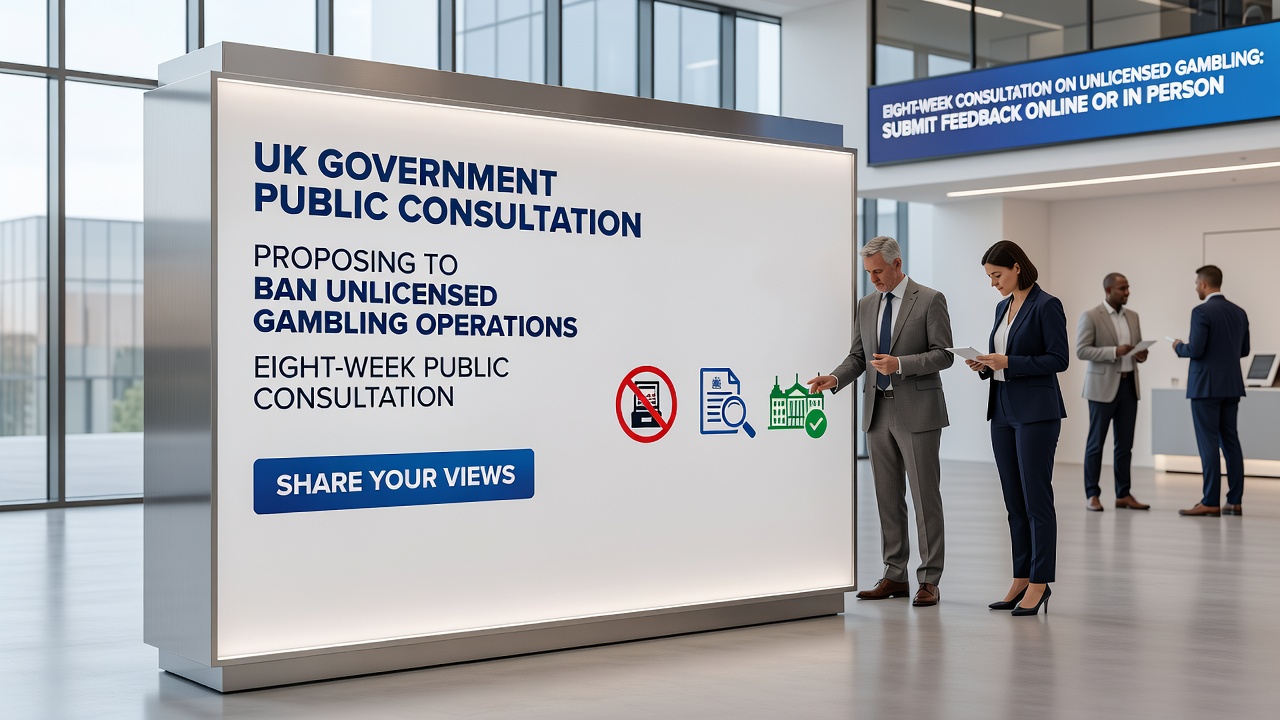
The UK government has opened an eight-week public consultation proposing new rules that would prevent gambling operators without a licence from the Gambling Commission from sponsoring UK sports teams, a move covering Premier League clubs along with Formula One entries and other major entities. The consultation document sets out measures designed to limit how unlicensed sites reach audiences through advertising partnerships, while also targeting potential routes for money laundering that organised crime groups have exploited in the past.
Scope of the Proposed Restrictions
Under the plans, any operator lacking teh required Gambling Commission approval would lose the ability to attach its branding to teams, stadiums, or racing liveries across football, motorsport, and related competitions. Existing arrangements, such as Everton FC’s sleeve sponsorship agreement with Stake.com, stand to face direct consequences if the rules advance to implementation. Officials have indicated that a ban could take effect as early as August 2027, giving clubs and governing bodies a defined window to locate replacement partners who already hold valid licences.
Data from regulatory records show that several high-profile deals currently involve operators based outside UK oversight, allowing them to promote services that fall beyond domestic consumer-protection standards. The consultation seeks to close this gap by extending the reach of existing licensing requirements into the sponsorship domain, thereby ensuring that only compliant companies can associate their brands with popular sporting properties.
Stated Objectives Behind the Consultation
According to the published consultation materials, the primary goals centre on shielding vulnerable people from direct exposure to illegal gambling platforms through visible advertising and on disrupting financial flows that organised crime networks have used for laundering purposes. Figures released alongside the announcement indicate that unlicensed operators have maintained sponsorship footprints in UK sport despite lacking the regulatory checks applied to licensed entities, a situation the government now intends to address through legislative change.
Researchers who have examined advertising patterns note that sleeve and pitch-side placements often serve as primary discovery points for new users, including those who later access sites operating without UK oversight. By removing unlicensed sponsors, the proposed framework aims to reduce the volume of such entry points while maintaining the visibility of operators that already comply with age-verification, self-exclusion, and responsible-gambling protocols.
Industry and Club Implications
Clubs currently partnered with offshore or unlicensed brands would need to renegotiate or terminate agreements ahead of the 2027 deadline, a process that could affect shirt design cycles and revenue planning for the 2026-27 and subsequent seasons. Formula One teams with similar arrangements would face parallel adjustments, given the global nature of their sponsorship portfolios and the visibility of car liveries during UK broadcasts. Trade bodies representing sports organisations have received invitations to submit evidence during the consultation period, allowing them to outline operational timelines and any transitional support required.
Observers tracking compliance trends point out that licensed operators already adhere to strict marketing codes enforced by the Gambling Commission, including restrictions on content that appeals to children and mandatory inclusion of harm-reduction messaging. Extending these standards across all sponsorship activity would therefore create a uniform environment where only regulated entities maintain public visibility through sport.
Consultation Timeline and Next Steps
The eight-week consultation period provides stakeholders with an opportunity to submit responses on the draft wording, enforcement mechanisms, and any exemptions under consideration. Once responses are analysed, the government intends to publish final regulations that would embed the sponsorship prohibition into the broader licensing regime. Legal experts following the process expect secondary legislation to follow shortly after the consultation closes, setting the stage for the August 2027 commencement date referenced in the initial announcement.
Those monitoring the sector note that the consultation also references coordination with existing self-exclusion schemes and advertising standards, ensuring the new rules align with wider consumer-protection frameworks already in place. This integrated approach seeks to limit regulatory overlap while maximising the impact on unlicensed operators that currently bypass domestic controls through offshore structures.
Conclusion
The consultation represents a targeted expansion of the UK’s existing gambling regulatory perimeter into the sponsorship arena, focusing specifically on unlicensed operators and their ability to associate with sports teams. Details released to date outline clear objectives around consumer protection and financial-crime prevention, together with a proposed implementation pathway culminating in August 2027. Stakeholders across sport, regulation, and law enforcement now have a defined period to contribute evidence before final rules are settled.