24 May 2026
British Regulators Pause Proposed Financial Checks for Bettors After Stakeholder Pushback

British authorities have delayed implementation of Financial Risk Assessments for online gamblers, a move that follows widespread opposition from betting operators, members of parliament, and organizations tied to horse racing. The proposed checks would have required players to submit detailed financial data before placing larger wagers, yet concerns over revenue drops and migration to unregulated markets prompted the pause during May 2026.
Industry groups highlighted potential annual losses reaching £250 million for the racing sector alone, while warnings surfaced about increased activity on black-market platforms. These developments form part of broader regulatory adjustments taking place across the United Kingdom gambling market throughout 2026, where multiple proposed rules undergo review based on feedback from affected parties.
Details Behind the Proposed Assessments
The assessments aimed to evaluate a gambler's financial situation through mandatory information sharing, with the goal of preventing excessive losses among those who might not afford high-stakes play. Proponents viewed the measures as a way to strengthen consumer protections, but critics argued the process could disrupt established betting patterns without sufficient evidence of widespread harm. Data shared by sector representatives indicated that many regular participants in horse racing betting would face new hurdles, leading to reduced turnover on both online and trackside platforms.
Stakeholders pointed out that the checks could shift spending patterns quickly, since bettors often seek convenient options when faced with added verification steps. Reports compiled ahead of the May 2026 decision showed operators preparing contingency plans, including adjustments to marketing and product offerings to retain customers within licensed environments.
Opposition from Multiple Sectors
Members of parliament joined industry voices in calling for further examination, noting that horse racing depends heavily on betting revenue for prize money and operational funding. Groups representing trainers, owners, and racecourses submitted evidence that sudden revenue shortfalls could threaten events and breeding programs across the country. Their submissions emphasized the interconnected nature of the sport and wagering, where even modest reductions in handle produce measurable effects on employment and infrastructure.
Operators also submitted data showing how similar verification requirements in other jurisdictions sometimes drove activity toward offshore sites that lack local oversight. This pattern raised questions about whether the assessments would achieve their intended protective outcomes or simply relocate spending beyond regulatory reach. Parliamentary debates in the weeks leading to the pause featured presentations from both sides, with emphasis placed on balancing player safeguards against economic contributions from the racing calendar.
Potential Market Shifts and Revenue Implications
Estimates placed the annual impact on racing at around £250 million if the checks rolled out as originally planned, a figure derived from modeling customer behavior under stricter deposit and stake limits. Industry analysts observed that high-volume bettors, who often support major races through accumulators and each-way wagers, might reduce activity or migrate elsewhere to avoid repeated financial disclosures. Such movement carries secondary effects on media rights, sponsorship deals, and the overall viability of smaller fixtures that rely on consistent attendance and betting interest.
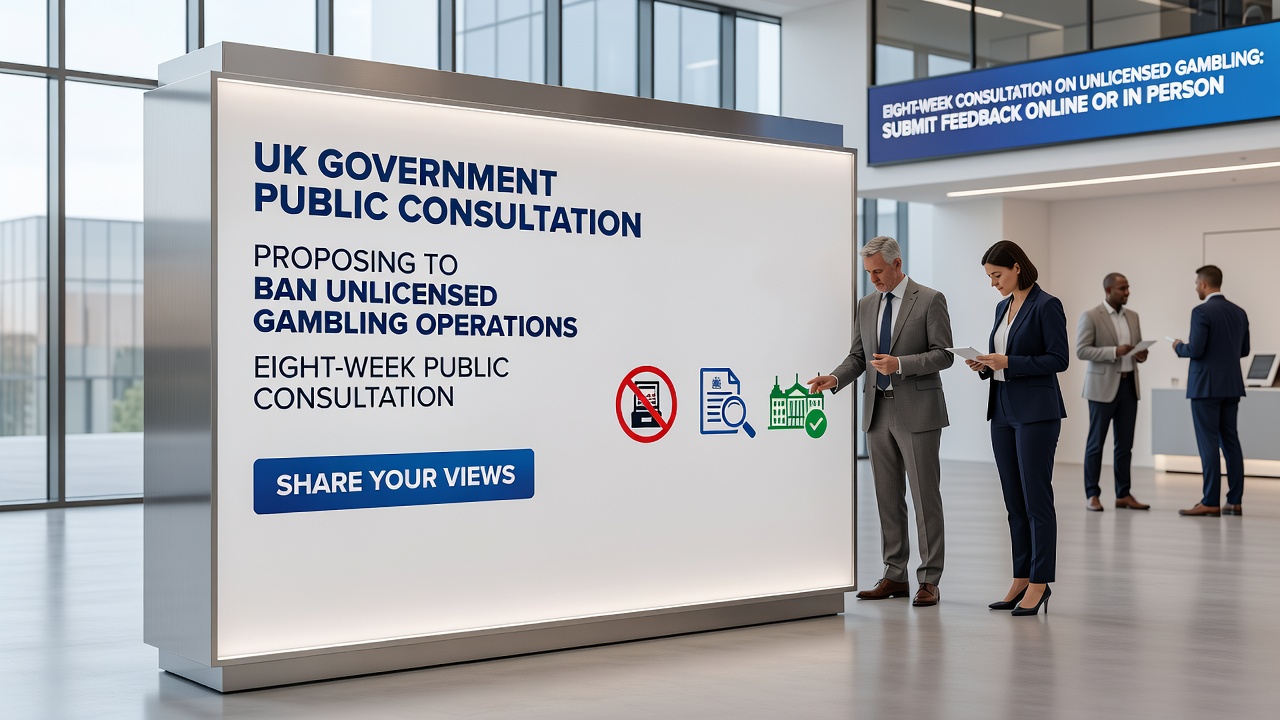
Black-market concerns gained traction as evidence emerged from other regions where tighter rules coincided with growth in unlicensed platforms. Observers noted that these sites typically offer faster payouts and fewer restrictions, attracting users who prioritize convenience over licensed protections. Figures from trade publications indicated that a noticeable portion of UK betting volume could move offshore if verification processes become too cumbersome, reducing tax receipts and regulatory oversight simultaneously.
Broader Regulatory Context in 2026
The pause reflects ongoing recalibration efforts within UK gambling policy, where initial proposals receive scrutiny through consultation periods and impact assessments. Multiple rules introduced earlier in the decade continue to evolve based on real-world data collected from operators and player surveys. In this environment, authorities weigh consumer protection objectives against measurable effects on legitimate businesses and related industries such as horse racing.
Industry organizations have shared case studies from comparable markets, including examples where phased rollouts allowed time for adjustments without abrupt revenue shocks. These comparisons help frame discussions around timelines and thresholds, ensuring any final measures account for variations in betting frequency and stake sizes across different customer segments.
Conclusion
The delay on Financial Risk Assessments leaves the proposed framework under review while stakeholders continue to present additional evidence on economic and behavioral impacts. Racing representatives and operators maintain active dialogue with policymakers, seeking frameworks that address risk without undermining the financial foundation of the sport. As 2026 progresses, further updates will clarify how these assessments fit into the wider regulatory landscape, with attention focused on maintaining balance between protection measures and market stability. Reports from iGaming Business and coverage in major outlets continue to track developments as consultations proceed.